
Article generated by the interview with Lisa Gill on her podcast Leadermorphosis in July 2025.
An AI Generate Summary
In this episode, Rhodes shares insights from his journey of designing and scaling a self-managing organisation. Here are the main points and takeaways from their conversation:
The “Organisational Gardening” Metaphor
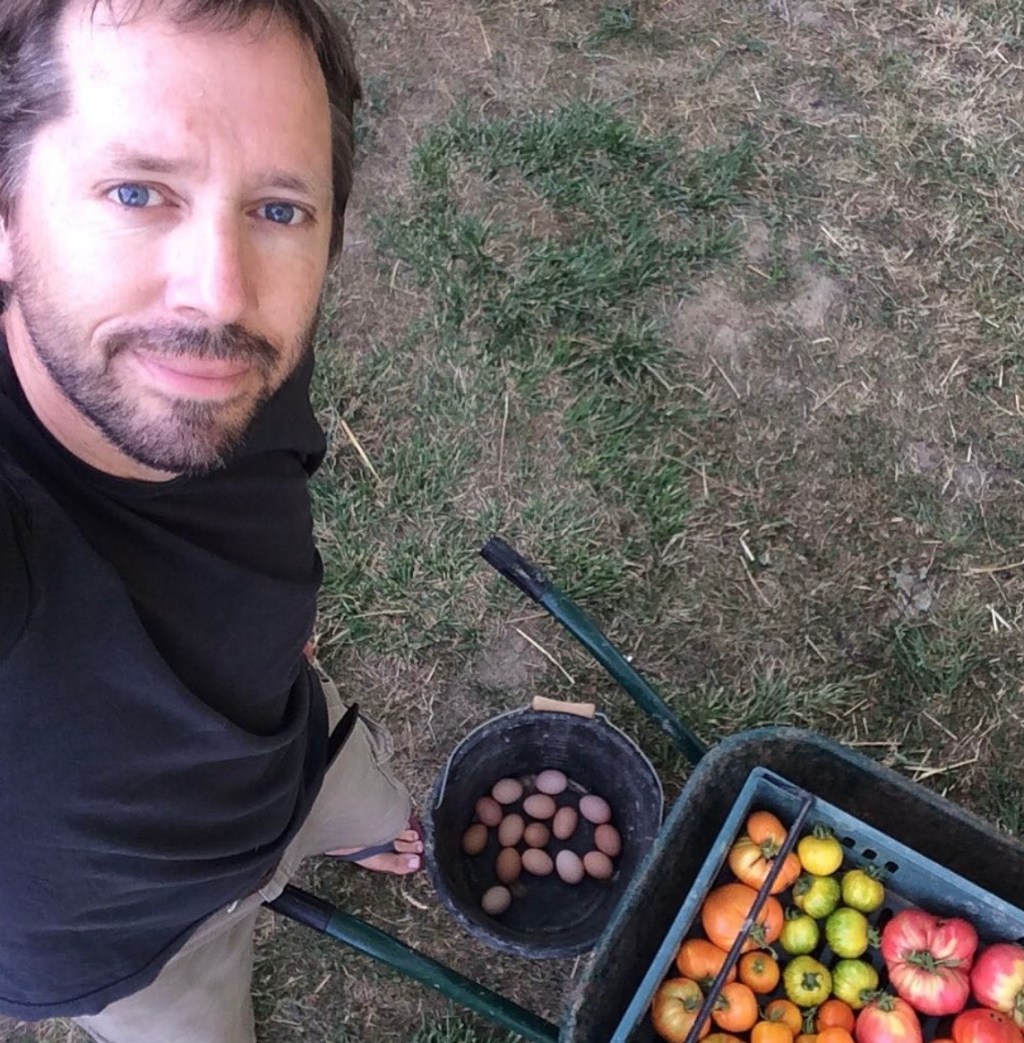
This is the core philosophy discussed in the interview. Rather than viewing a company as a machine with parts to be engineered and controlled, Rhodes advocates treating it like an ecosystem or a garden. He emphasises that while leaders can be inspired by other “gardens” and “gardeners” (borrowing ideas from other progressive companies), you ultimately have to discover what will actually grow in your own unique “soil and climate”. You cannot simply copy-paste another company’s culture; you must nurture your specific environment.
Transitioning to a Self-Managing Model
Operating in a Traditional Sector: Rhodes discusses the realities of building a decentralised, self-managing organisation with autonomous teams within the highly regulated UK financial services and insurance sector.
Onboarding for “Wholeness”: Moving from a traditional hierarchy to a self-managed structure is a massive shift for new hires. Rhodes details Konsileo’s induction process, focusing on how they help new employees unlearn corporate bureaucracy and adapt to a culture that expects autonomy, peer feedback, and bringing their “whole self” to work.
Mechanisms for Success
Coaching Over Managing: Without a traditional management hierarchy, the company relies heavily on coaching to support its employees.
Peer Feedback: To ensure accountability and growth, they utilise robust, peer-based feedback systems rather than top-down performance reviews.
Scaling the Culture: Rhodes addresses the growing pains and big challenges of scaling up. By trusting these decentralised systems, Konsileo managed to scale to over 200 employees while reporting a 40% increase in productivity.
Cross-Cultural and Theoretical Insights
UK vs. Latin America: As a dual-national (Mexican-English), Rhodes shares his unique observations on the differences in how progressive, self-managing organisational models are adopted and explored in the UK compared to Latin America.
Teal Organisations and “Source”: The conversation touches heavily on the influence of Frederic Laloux’s Reinventing Organizations (kept with a ‘z’ as it is the official book title, but the blueprint for “Teal” companies) and explores the concept of “Source”—understanding the original vision, energy, and localised leadership required to keep decentralised teams aligned.
What It Is (and What It Is Not) Organisational Gardening
What it is:
- Creating Conditions: It is the belief that leaders cannot force growth or mandate innovation; they can only cultivate the right environment (the “soil”) where individuals and teams can naturally thrive.
- Context-Dependent: Just as plants require different conditions to flourish, organisational gardening acknowledges that every company has its own unique “climate”. You have to discover what works for your specific people, industry, and regulatory environment.
- Active Tending: A garden requires continuous work—watering, pruning, and clearing weeds. In a company, this translates to rigorous coaching, peer feedback, and actively removing bureaucratic obstacles.
What it is not:
- Not a Machine: It explicitly rejects the traditional corporate view that a company is an engine where you can pull a lever, replace a “cog” (an employee), or cleanly re-engineer a process to get a guaranteed output.
- Not “Copy and Paste”: It is not about taking another company’s blueprint (like the famous “Spotify model”) and dropping it into your own organisation. A tropical plant will not survive in a harsh winter climate; similarly, another company’s culture will fail if your internal environment isn’t right for it.
- Not a Free-for-All: Being a self-managing garden does not mean letting the weeds take over. Abandoning a garden leads to overgrowth and chaos. It still requires boundaries, structure, and active maintenance, just in a different form than top-down control.
The Main Tenets
- Focus on the Soil (Culture First): If the soil is toxic or depleted, nothing good will grow. For Konsileo, this means investing heavily in the onboarding process, helping new hires unlearn traditional corporate behaviours to build psychological safety.
- The Leader as a Gardener: Leaders shift from being commanders to being facilitators. Their job is to step back, observe the ecosystem, provide nutrients (resources, context, and support), and intervene only to help the system self-correct.
- Organic Scaling: Rather than forcing artificial, top-down growth targets that break the system, growth happens naturally and sustainably when the underlying structures (like autonomous teams and peer feedback loops) are healthy.
- Adaptability over Predictability: The organisation must remain flexible and responsive to its environment, much like a living ecosystem adapting to changing seasons, rather than rigidly sticking to a five-year master plan.
 The Organisational Gardener
Leave a comment