
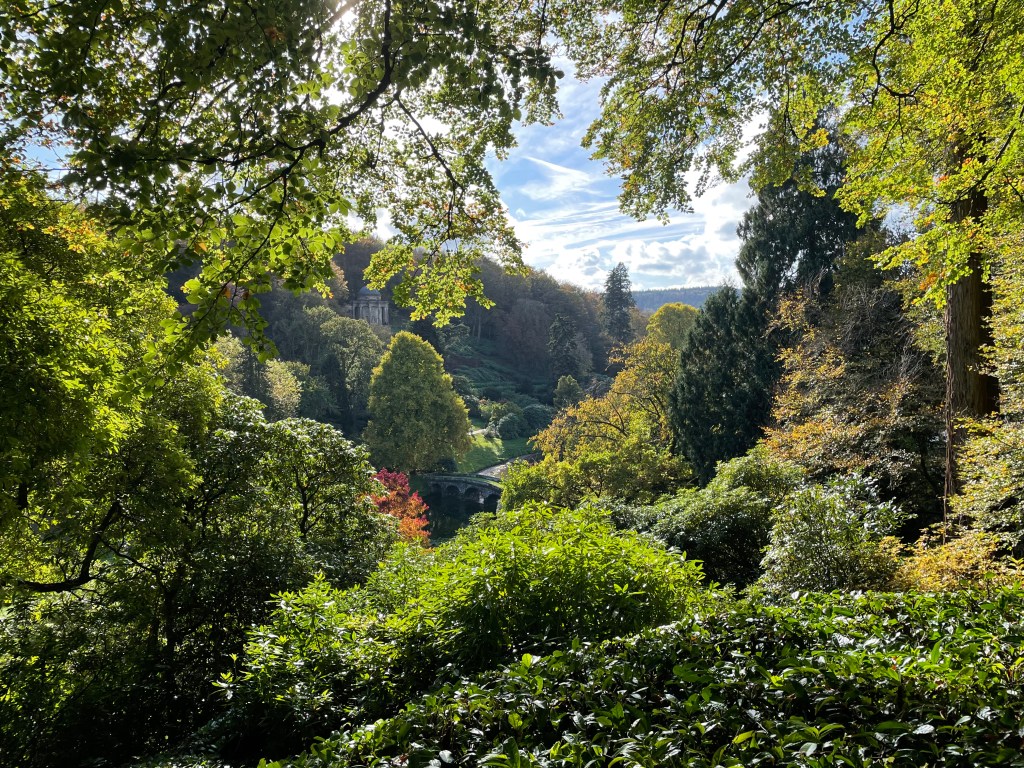
The first thing that came to mind when I wrote the title of this post was: so what is a coach? The second question that came to mind, according to this definition, can then a garden be a coach?
The International Coaching Federation (ICF) defines coaching as partnering with clients in a thought-provoking and creative process that inspires them to be their best personal and professional selves. It’s a process that often reveals hidden sources of imagination, productivity, and leadership — things you may not even know you have. A good coach creates a safe, non-judgmental space for you to explore solutions, push past limitations, and hold yourself accountable.
The European Mentoring and Coaching Council (now EMCC Global) defines coaching as “a professional, structured, and collaborative partnership designed to foster the holistic development of a client’s personal and professional potential. It is a transformative process, utilizing reflective dialogue and inquiry to enhance self-awareness, improve performance, and enable clients to discover their own solutions, often in a one-to-one or team context”. According to EMCC Belgium and EMCC Global framework, a coach is a professional who acts as a facilitator of learning. They are seen as a “witness” or “withness-thinker” who co-creates new stories through dialogue, remaining curious and non-judgmental.
These are the “official” definitions of a coach, but I must admit my favourite non-definition of a coach is captured by this film from Nic Askew:
Seriously, or not so seriously, back to my question of can a garden be a coach, I think my answer is…YES and NO.
Yes the garden is a “non-judgmental space”, so it can be the context, environment and hence facilitator for self-reflection, and maybe something you can call “self-coaching”; but at the same time it won’t explicitly help you “explore solutions, push past limitations, and hold yourself accountable”. You need yourself, or the help of a coach, to give meaning to what you see, hear, experience and/or do in the garden.
Which takes me then to think that the garden can definitely be the enabler for really good “self-coaching”. Self-coaching relies heavily on metacognition (thinking about your thinking). Instead of just feeling stressed, you ask yourself why you are stressed and what a logical next step would be. It’s essentially the art of observing your own thoughts and behaviours from a distance acting as both the “coach” and the “athlete” to navigate challenges or reach specific goals.
You can use frameworks such as the GROW coaching model or Charles Davies thinking frames such as the Why / How Ladder or Very Clear Ideas. Another option is to use the Theory U process and practices such as guided journaling. All these tools require you to think and feel process and content. Having said all that, I always turn to thought provoking books inspired by gardens and nature such as “The Art of Mindful Gardening” or the card deck from “Tending to Endings” for some good garden thinking.
Natural Invitation
Ultimately, whether you call it coaching or ‘self-coaching,’ the garden offers a profound, non-judgmental space, a natural sanctuary for reflection and metacognition. It is the perfect backdrop for processing your thoughts and feelings, turning simple observation into meaningful insight. The garden itself will not give you the answers, but by engaging with its rhythms, silence, and inherent processes and pairing that experience with intentional frameworks, thoughtful journaling, or inspiring literature you can unlock your own hidden productivity, imagination, and solutions. I invite you to step outside, observe the growth around you, and allow the garden to facilitate your journey toward being your best self.
 The Organisational Gardener
Leave a comment